



Cement boards
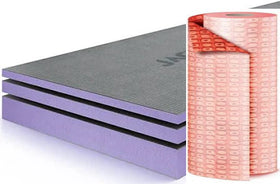
Cement boards are used as backer boards and as an important component in modern tiling and construction projects. Produced to deliver a strong, stable, and moisture-resistant surface, these are widely used as a reliable alternative to traditional plywood or plasterboard.

What are the cement boards?
Cement boards are fibre-reinforced building panels made from cement and a strengthening mesh. This internal fibre mesh gives the board added durability, impact resistance, and structural stability.
These have been made with a very specific purpose, to act as a solid base for tiling on the walls and floor in the areas where high moisture and condensation is formed.
What are the common sizes and thickness?
The most used cement backer boards are available in the following thicknesses:
- 6mm boards – Ideal for walls and overlaying existing surfaces
- 10mm boards – Suitable for both walls and floors
- 12mm boards – Used where extra strength and rigidity are required, especially on floors
These options create flexibility and can be easily adjusted for the project type and load requirements.
What are the key features for the cement boards?
- Cement boards will create a strong and stable surface- a sturdy and rigid ground for the tiles and grout lines with no damages.
- Fibre mesh structure- for a strong core which prevents cracking and movement of the finish material.
- A great cover in case of high moisture- spaces like shower or wet rooms where water is present all the time.
- Fire rated materials- cement boards good fire resistance
Where can we use cement boards?
At Tilejob we recommend to use cement boards for residential and commercial spaces.
1 Cement boards can be installed in:
2 Domestic and commercial bathrooms/wet rooms
3 For kitchens and utility / hall rooms
4 A versatile base for any type of tiles
5 Internal walls and build up structures
6 Living and office spaces which require a base before tiling.
What is the difference between cement boards and backer boards?
In the building industry cement boards and backer boards act as equivalents as per their usage but when it comes to their main distinction cement boards are fibre based panels which can offer stronger and higher resistance to moisture compared to backer boards.
What is the difference between cement boards and plywood?
Plywood has been use in the past years as a base before tiling, but at the present moment cement boards are far more superior in terms of strength and durability.
Plywood tends to swell and warps the moisture very quickly and more than this it is predisposed to movement which is not preferred when laying tiles.
Cement boards are designed to repel the water, keep a stable structure over time and maintain a solid, long lasting material.
At Tilejob we can say that cement bards are a versatile and multifunctional material which is widely used by qualified builders and general public with confidence.
How to install cement boards?
At Tilejob we have a simple and an easy method for the installation of the cement boards:
A. Cut boards to size using a scoring knife or saw
B. Fix to the substrate using appropriate screws
C. Stagger joints for strength
D. Tape and seal joints if required
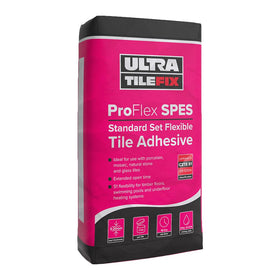
F. Apply adhesive and tile directly onto the surface
Final thoughts
For the present moment cement boards/backer boards are an indispensable material in the building industry. Being available in different sizes like 6/10/12mm makes them an easy and practical solution for any tiling project. These offer resilience and great moisture resistance which make them ideal for domestic and commercial use.
If you have decided to renovate your bathroom, kitchen floor or embarked on a adventure of building your dream project, cement boards have got you covered for all these circumstances with simple and versatile support. Fore more individual advice or consultation please do not hesitate to give us a call today at Tilejob.co.uk.
Frequently Asked Questions
Are Cement Boards Waterproof?
Cement boards are highly moisture resistant and perform very well in wet areas, but they are not fully waterproof on their own, due to their fibre structure which has little holes which can retain water. In this way for showers, wet rooms, or outdoor installations, it is recommended to use a proper waterproofing system, tanking kit or membrane for full protection.
How Do You Cut Hardie Board Cement Boards?
For Hardie board cement boards usually works scoring and snapping for straight cuts, or by using a circular saw with a suitable cement board blade for larger or more intricate cuts. Do not forget to wear protective equipment, as cutting can be very dusty and sometimes small off cuts can cause small injuries.
What Are Fibre Cement Boards?
Fibre cement boards are strong, durable building panels made from cement reinforced with fibres for added strength and stability. They are commonly used as a tile backer board on walls, floors, bathrooms, and outdoor areas because they provide reliable resistance to moisture, movement, and wear. These boards are widely used by professionals and homeowners for their everyday and handcrafted projects.
What Are Cement Boards Used For?
Cement boards are mainly designed to create a strong, stable base for tiling on walls and floors. These are perfect for bathrooms, kitchens, wet rooms, and outdoor areas, helping prevent movement, moisture damage, and tile cracking.

Leave a comment