



Copper tiles
Copper has been use by humans for thousands of years. It all started with tools and accessories, decorative objects and architecture. Then this specific reddish metal emerged as a trendy colour for traditional and modern interiors.
Natural appearance of copper is valued and used in various contemporary settings. Copper effect tiles have their individual place with warm shades and oxidised colours which replicate with great detailing the real material. Mainly made from porcelain copper look tiles show wonderful performance in wet environments where real copper will face challenges. An interesting point is that copper does change its surface in several colours and porcelain advanced printing technology is able to generate a higher number of patterns for this specific characteristic.
In this article we'll explore shortly the history and evolution of copper as a material and as a fashionable colour in modern interior and tile industry.
Copper - a material with ancient origins

Copper has a special place in the history of materials. According to the Royal Society of Chemistry, copper was the first metal to be worked by people. Later, people discovered that combining copper with tin created the much harder alloy bronze – an innovation important enough to give its name to the Bronze Age.
Even the name copper carries a piece of ancient history. The chemical symbol for copper is Cu, derived from the Latin cuprum. The metal's name is historically associated with Cyprus, an important source of copper in antiquity. The Royal Society of Chemistry still references Cyprus in explaining the origin of the element's name.
How and why does copper change colour ?
Copper is the material which develops colour variation over time. Initially copper comes in a warm reddish-gold shade. When it gets in contact with the surrounding natural environment the appearance starts to change slowly. The transformation is a captivating journey of colour and surface.
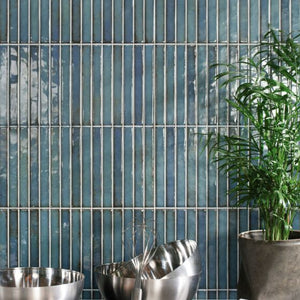
Copper starts on red and moves towards deep brown and bronze and ultimately generates tints of blue and green which brings an aged look with a unique pattern.
The actual patina is influenced by factors like temperature, atmosphere and drainage system which can accelerate the physical transformation. As a result there is a mixture of copper carbonates and sulphates reflected in the colour. Variation and diversity is the key thing when describing copper as a material. This aspect sets a great inspirational portfolio for brown, slate, turquoise and green colours in one piece. Tile industry captures the real nature of copper and replicates this with fascinating look.

Interesting facts about Copper
One of the greatest examples of copper's natural transformation is the Statue of Liberty in New York. From the 19th century and over the period of 30 years a thin layer of copper has acquired a green patina which acts as a protective shield for the rest of the metal. The process of oxidation is a very indicative example of the colour spectrum.
After being used in architecture copper infiltration in interior design came like a new valuable source of inspiration. With its variations, distinctive streaks, patches and colour migrations copper adds personality and texture to the design.
Designers and homeowners often prefer copper representations on tiles, panels and worktops as an addition of an organic element which has a unique appearance and identity.
Why Copper Effect Works So Well on Tiles?

Copper effect tiles are used when an interesting feature or a statement is required. These introduce two attributes : an industrial vibe and a weathered/worn out appearance.
For the interior design copper effect tiles suit industrial, minimalist and contemporary styles. Barn conversions, cottages, cafes and office spaces can enhance decor aesthetics with a warm earthy tones and with a oxidised note.
Due to their versatility, copper effect tiles complement many other surfaces:
-
concrete and cement effects walls and flooring
-
natural stone and stone-effect porcelain in the bathroom, kitchen and living areas
-
dark wood and natural beams
-
black or graphite finishes for kitchen surfaces
-
warm neutral colours which need a contrasting finish
-
glass and aged look mirrors
-
matt black fittings in the bathrooms and kitchens
-
brass and bronze accents to accentuate the rustic effect
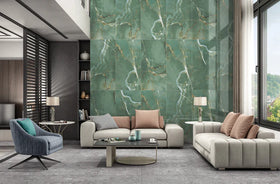
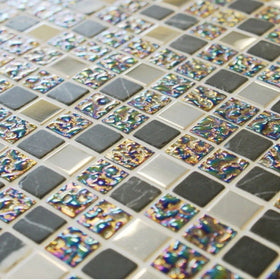
Porcelain advanced printing technology is able to mimic the most intricate and bright colours like amber and turquoise which is a perfect reflection of the evolution of the metal when in contact with nature.
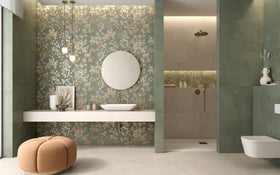
 Planet Green Oxide Metal Effect
Final thoughts
Copper effect tiles are a very interesting option for a feature wall in the bathroom, kitchen or living area. These look stunning on the floor and can create a perfect foundation for a modern and minimalist interior. Copper effect tiles will complement traditional stone, wood and cement surface with an elegant and unique colour scheme. These combine history and practicality and create a nature-inspired decor suitable for the domestic and commercial spaces. Have a look through our collection and find a perfect match for your next project!

Planet Dark Oxide Metal Effect Wall & Floor Tiles

Leave a comment