
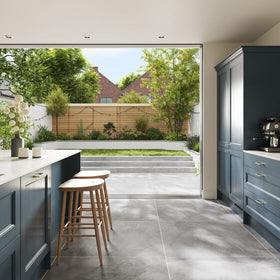
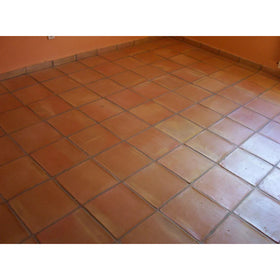
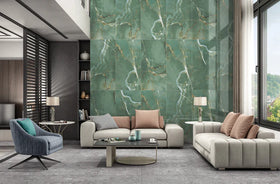

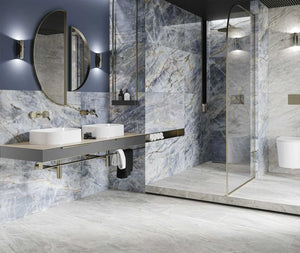
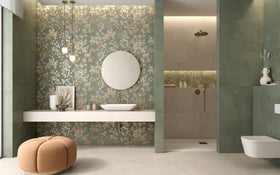

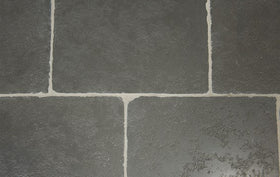
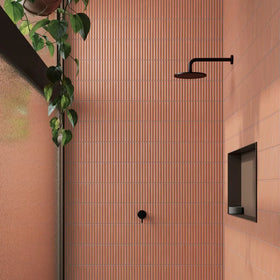
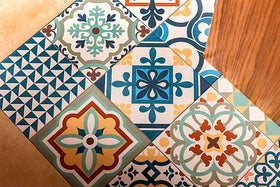
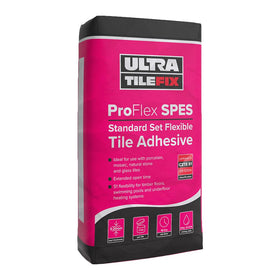
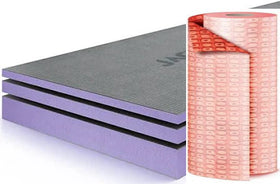

Tilebacker boards sit behind some of the most reliable tiled finishes in bathrooms, showers, kitchens, and wet rooms. For buyers comparing products, the main question is less about theory and more about fit: which board gives the right mix of moisture protection, strength, size, and ease of handling for the job at hand. This guide keeps the focus on those buying decisions, from cement boards and foam boards to thickness, fixing methods, and the best use cases for wall and floor tiles.
What Is a Tile Backer Board?
A tile backer board is a stable, moisture-resistant surface used behind tiles instead of plasterboard in areas that see regular water exposure. It gives tile adhesive a firmer base and helps protect the wall or floor beneath. That makes it a far better choice for showers, bathrooms, and tiled floors where a dependable substrate matters.
Why Use Backer Board for Tiling?
Backer board creates a stronger substrate for tilework than standard plasterboard, especially where moisture and movement are a concern. It supports wall tiles and floor tiles with better stiffness, so finishes are less likely to crack or fail over time. In bathrooms, showers, and wet rooms, that extra resistance can make the difference between a lasting installation and one that needs repair.
Tile Backer Board Types
Most shoppers compare a small group of board materials before buying. The main differences come down to weight, insulation, waterproof performance, and how easy the board is to cut and fit. Some are chosen for maximum strength, while others are picked for speed and handling on site.
Cement Boards
Cement boards are the dependable option for demanding tiling jobs. They offer high tile support and suit walls, floors, and heavier finishes where durability matters most. They are a common choice when the project needs a tough backer board that can handle regular use, but they are usually heavier and less forgiving to cut than foam alternatives.
Foam Boards
Foam boards appeal to buyers who want a lightweight, insulated tile backer board for wet rooms and bathroom refurbishments. They are easier to handle, quicker to fit, and often provide useful thermal benefits. Their main advantage is convenience, though selecting the right board thickness and fixing method remains important for a solid finish.
Choose the Right Size and Thickness
Thickness affects both rigidity and build-up, especially on floors where height can quickly become an issue. Thicker boards usually give more support, while slimmer boards are useful where space is tight. Common sheet sizes suit everything from single shower walls to larger renovation projects, so it helps to match the board dimensions to the room layout and tile format before ordering.
| Board choice | Best for | Typical buying priority |
|---|---|---|
| Thinner boards | Walls and tight build-ups | Reduced depth |
| Medium thickness | General bathroom tiling | Balance of strength and ease |
| Thicker boards | Floors and wet rooms | Extra rigidity and support |
Best Uses for Tile Backer Boards
Backer boards matter most in rooms and surfaces exposed to water, heat, or repeated movement. The right board helps control moisture and gives tiles the support they need, whether the job is one shower wall or a full renovation across several rooms.
Bathrooms and Shower Areas
Bathrooms and shower areas need reliable wet-zone protection and consistent tile adhesion. Waterproof backing is especially important behind shower tiles, where splashes and steam are part of daily use. A suitable tile backer board helps protect the structure behind the finish while giving adhesive a secure surface to bond to.
Wet Rooms and Floors
Wet rooms and tiled floors place more demand on load capacity and moisture resistance, so board selection becomes more critical. Thicker boards are often worth choosing where the floor needs extra support, particularly under large format tiles or heavier finishes. The goal is a stable surface that stays firm underfoot.
How to Compare Tile Backer Boards Before Buying
Product pages usually make comparison easier if the main factors are kept in view: waterproofing, insulation, thickness, and ease of cutting. Some tile backer boards are better for rapid fitting, while others offer stronger performance in more exposed areas. Matching those features to the room size, tile weight, and budget usually leads to the best result.
Installation Basics for a Perfect Substrate
A good installation starts with a clean, level base and the right fixings for the surface. Boards are typically bonded with adhesive, then secured with screws or washers as needed, with joints finished and sealed to keep moisture out. That simple sequence helps create the perfect substrate before tiles go on.
Common Questions About Tile Backer Board
Shoppers often want quick answers on whether boards can be cut, fixed, plastered, or tiled straight away. The short version is that most installation steps are straightforward, but the exact method depends on the board type and the surface being prepared.
Can You Plaster Tile Backer Board?
That depends on the board type and how the surface has been prepared. Some boards can accept plaster in certain applications, but many are bought specifically as a tiling substrate rather than a plaster finish. For a homeowner, the safest approach is to check the product guidance before planning mixed finishes.
How Do You Cut Tile Backer Board?
Most tile backer boards can be cut with a sharp knife, hand saw, or suitable power tool depending on the material. Measure carefully first, then control dust and check the edge for accuracy before fixing. Clean cuts make fitting easier and help the boards sit neatly at joints and corners. For more detailed guidance, see how to cut cement backer board.
Where to Go Next: Selecting Your Board
The best tilebacker choice usually comes down to room type, moisture exposure, and tile weight. For a shower or wet room, prioritise waterproof performance and rigidity. For larger projects, compare sizes, packs, and board types before checkout so the board matches the build-up, the tiles, and the budget. If you want a broader overview of the material options, our guide to cement boards is a useful place to start, including where they suit bathrooms, kitchens, and more demanding installations. For exterior projects, you can also explore cement boards for outdoor use.

Leave a comment